
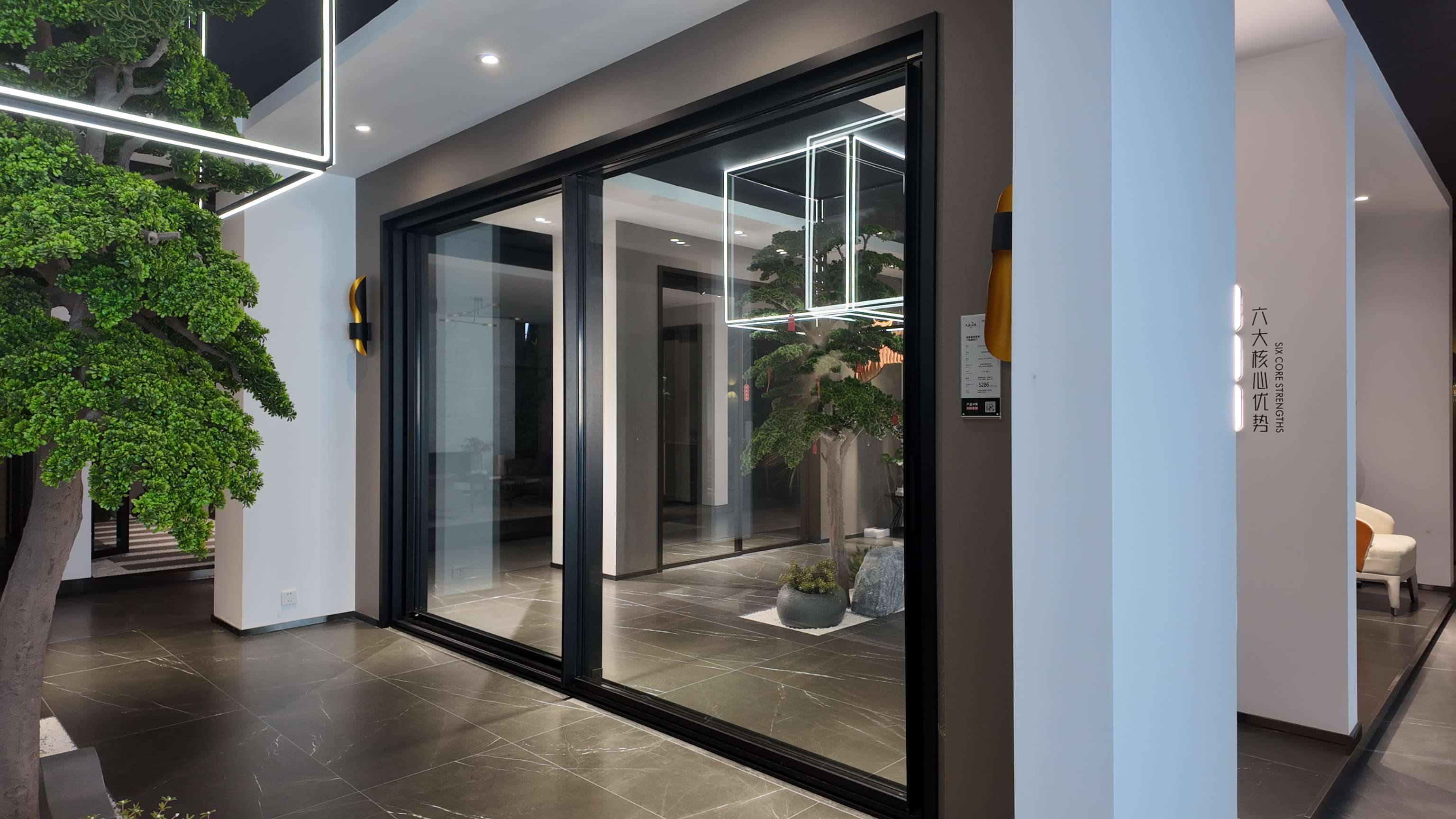
When you research windows for a new home, a villa, or a commercial building, one term appears again and again: "thermal-break aluminum casement window." It sounds technical, but the concept is straightforward. It is a window that combines the slim strength of aluminum with the insulation of a carefully engineered system. In this guide, we explain what a casement window is, how the thermal break works, and why it has become a preferred choice for energy-conscious projects around the world.
What Is a Casement Window?
A casement window is hinged at the side and opens outward or inward like a door, rather than sliding along a track like a sliding window. Because the sash presses firmly against the frame with compression seals when closed, it forms a much tighter seal than many sliding designs. It also provides a wide, unobstructed opening for ventilation and natural light, and its clean lines suit both contemporary and traditional architecture.
Why Aluminum Needs a Thermal Break
Aluminum is a natural choice for window frames. It is strong yet lightweight, which lets manufacturers build slim, elegant frames that still support large panes of glass. It resists corrosion, handles harsh weather well, and requires very little maintenance over its long service life. It is also fully recyclable, making it a practical option for sustainable building.
The one drawback is that aluminum conducts heat quickly. In a plain aluminum frame, indoor heat escapes in winter and outdoor heat enters in summer. The frame becomes a thermal bridge — a direct path that lets energy move through the wall. A thermal break is the solution to this problem.
What Is a Thermal Break?
A thermal break is the heart of the technology. In a thermal-break aluminum window, the frame is not one solid piece of metal. Instead, the frame is split into two separate sections: an interior section and an exterior section. These two sections are joined by a low-conductivity material, usually a reinforced polyamide strip made of nylon and glass fiber.
This strip physically interrupts the flow of heat. Metal stops touching metal from the inside to the outside of the frame. Because polyamide conducts heat hundreds of times less effectively than aluminum, energy transfer through the frame is dramatically reduced. The result is a frame that stays warmer on the inside in winter and cooler on the inside in summer.
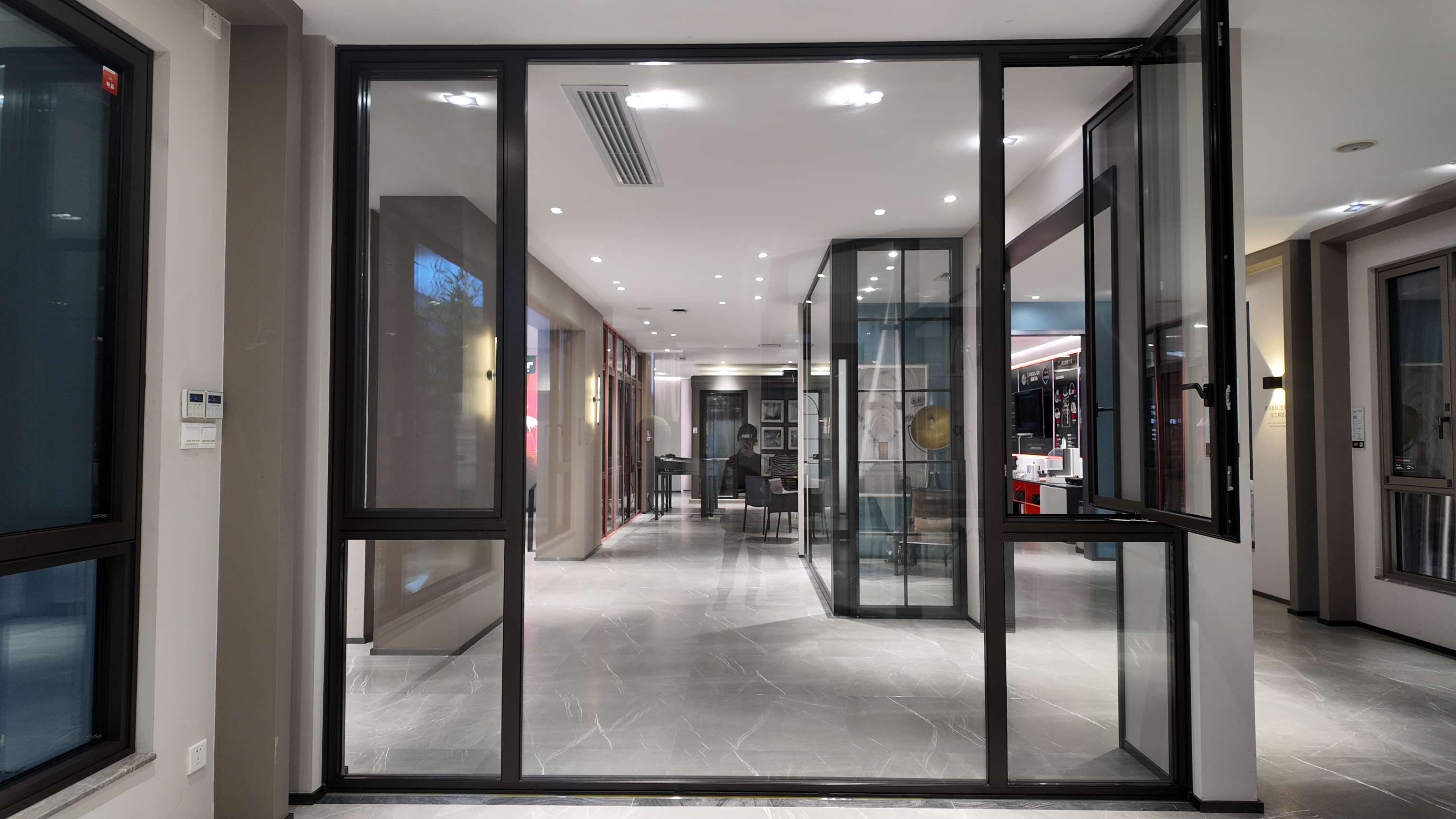
The Complete System: More Than a Frame
The thermal break is only one part of a high-performance casement window. A complete system brings several components together:
- Thermal-break frame: The split aluminum profile with the insulation strip reduces heat transfer through the metal.
- Multi-chamber design: Hollow chambers inside the profile trap air and slow heat movement even further.
- Insulated glass: Double- or triple-glazed units use sealed air or argon-filled spaces between the panes, plus optional Low-E coatings, to control heat and sunlight.
- Compression seals: EPDM gaskets press the sash against the frame when closed, blocking air, water, dust, and noise.
- Premium hardware: Hinges, multi-point locks, and handles hold the sash tightly closed and keep it secure.
When these elements are engineered to work together, the result is a true system window rather than a simple collection of parts.
The Key Benefits of a Thermal-Break Casement Window
Energy Saving
The most important benefit is lower energy consumption. By interrupting heat transfer through the frame and glass, the window keeps conditioned air inside and outside air out. This reduces the load on heating and cooling systems and can lower energy bills over the life of the building. For cold climates, triple glazing and a wide thermal break help retain indoor warmth. For hot climates, Low-E glass reflects infrared heat while still letting visible light through.
Sound Insulation and Noise Reduction
For homes and offices near busy roads, railways, or airports, noise is often the biggest complaint. A well-sealed casement window reduces sound in three ways: the compression seals close the gaps where sound leaks, the insulated glass dampens sound waves, and the multi-chamber frame breaks the sound path. High-quality insulated glass systems can reduce exterior noise significantly, creating a quieter, more comfortable interior.
Condensation Control
Because the interior section of the frame stays closer to room temperature, moisture in the air is less likely to condense on the frame and glass. This helps prevent dampness, mold, and the damage that comes with them, especially in humid or cold regions.
Dust and Water Resistance
Casement windows are known for their strong weather performance. The compression seal presses the sash firmly against the frame, creating a tight barrier against wind-driven rain and dust. Well-designed systems also include hidden drainage channels that carry water away quickly and prevent backflow in high winds, all while keeping the facade clean and unobstructed.
Durability and Low Maintenance
Aluminum does not warp, rot, or rust the way wood or steel can. Combined with powder-coated or electrodeposited finishes, a thermal-break aluminum window keeps its appearance and performance for decades with minimal upkeep.
Design Flexibility
The strength of aluminum allows for slim sightlines and larger glass areas, maximizing views and natural light. Thermal-break casement windows are available in outward-opening, inward-opening, and tilt-and-turn configurations, giving architects and builders flexibility across regions and building codes.
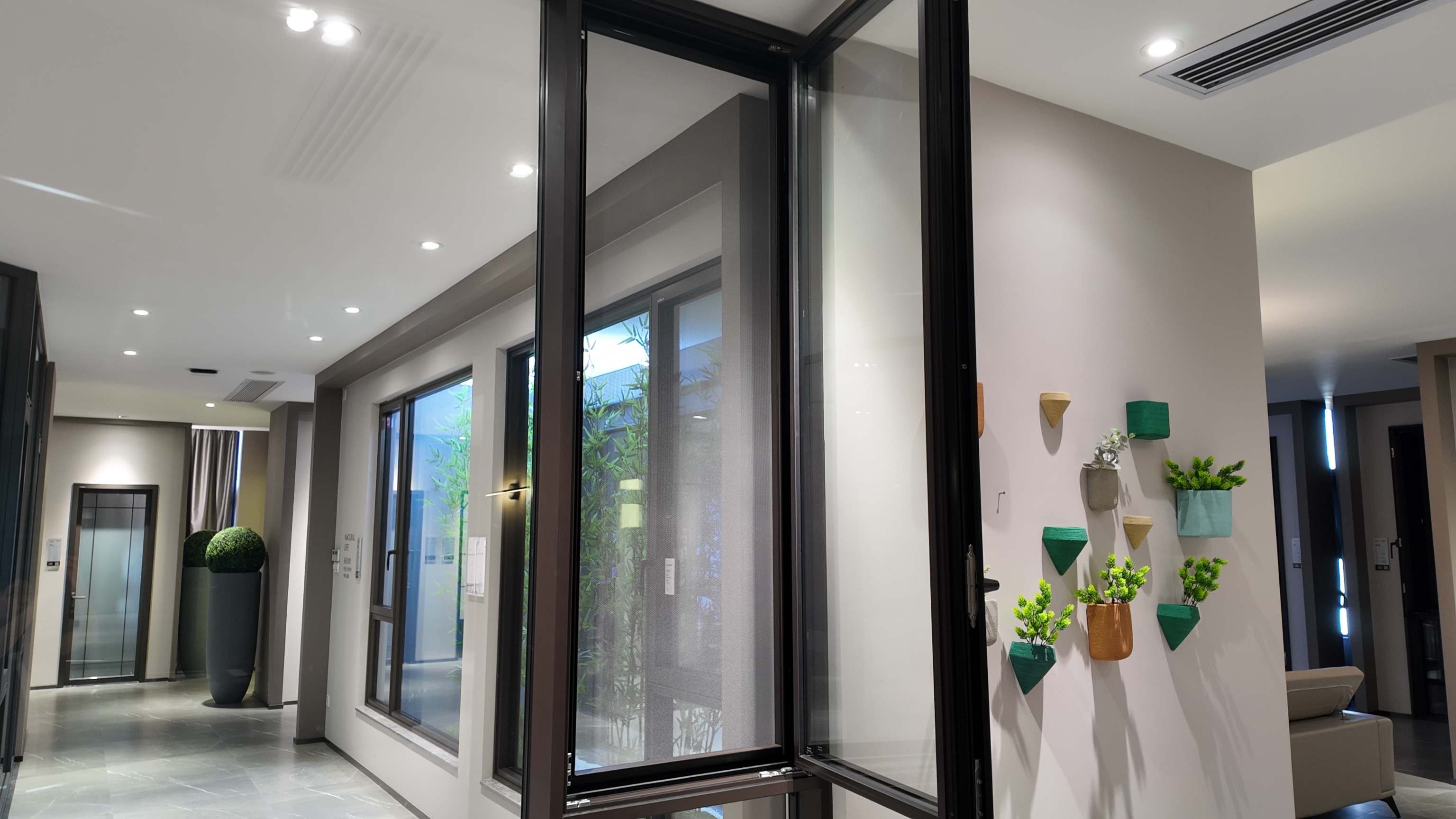
Where Thermal-Break Casement Windows Are Used
Thermal-break aluminum casement windows suit a wide range of projects. For villa projects, they combine customized design, premium aesthetics, energy efficiency, and acoustic comfort. In residential developments and commercial buildings, they offer reliable performance, cost efficiency, and large-scale supply capability.
They are also built for demanding environments. In coastal areas, corrosion-resistant aluminum and durable finishes protect against salt air and humidity. In hot-climate regions, the thermal break and Low-E glass keep interiors cooler and reduce energy costs. In noise-sensitive areas, enhanced acoustic performance helps create a peaceful indoor environment.
PAIYA Thermal-Break Casement Windows: Engineered and Certified for Global Markets
PAIYA Windows & Doors, operated by Foshan Nanhai Paiya Door & Window Products Co., Ltd., brings 36 years of manufacturing experience to its casement window systems. From a 300,000-square-meter smart factory with an annual capacity of 3 million square meters, PAIYA supplies projects across the USA, Canada, Australia, the Middle East, and Southeast Asia.
Its certified products are designed to meet international performance standards, including NFRC energy ratings for North America, CSA standards for Canada, and AS2047 for Australia. Combined with flexible customization and a focus on sound insulation, thermal comfort, safety, and energy saving, this gives architects, developers, and distributors a window that is both high-performing and market-ready.
Conclusion
A thermal-break aluminum casement window combines the best of both worlds: the slim, strong, low-maintenance profile of aluminum and the insulation of a properly engineered thermal break. For homeowners, it means lower energy bills, less noise, and fewer condensation problems. For architects and builders, it means a flexible, certified, high-performance component that supports modern, energy-conscious design.
If you are planning a project, contact PAIYA for technical drawings, glass specifications, and a customized quotation tailored to your climate and design requirements.