
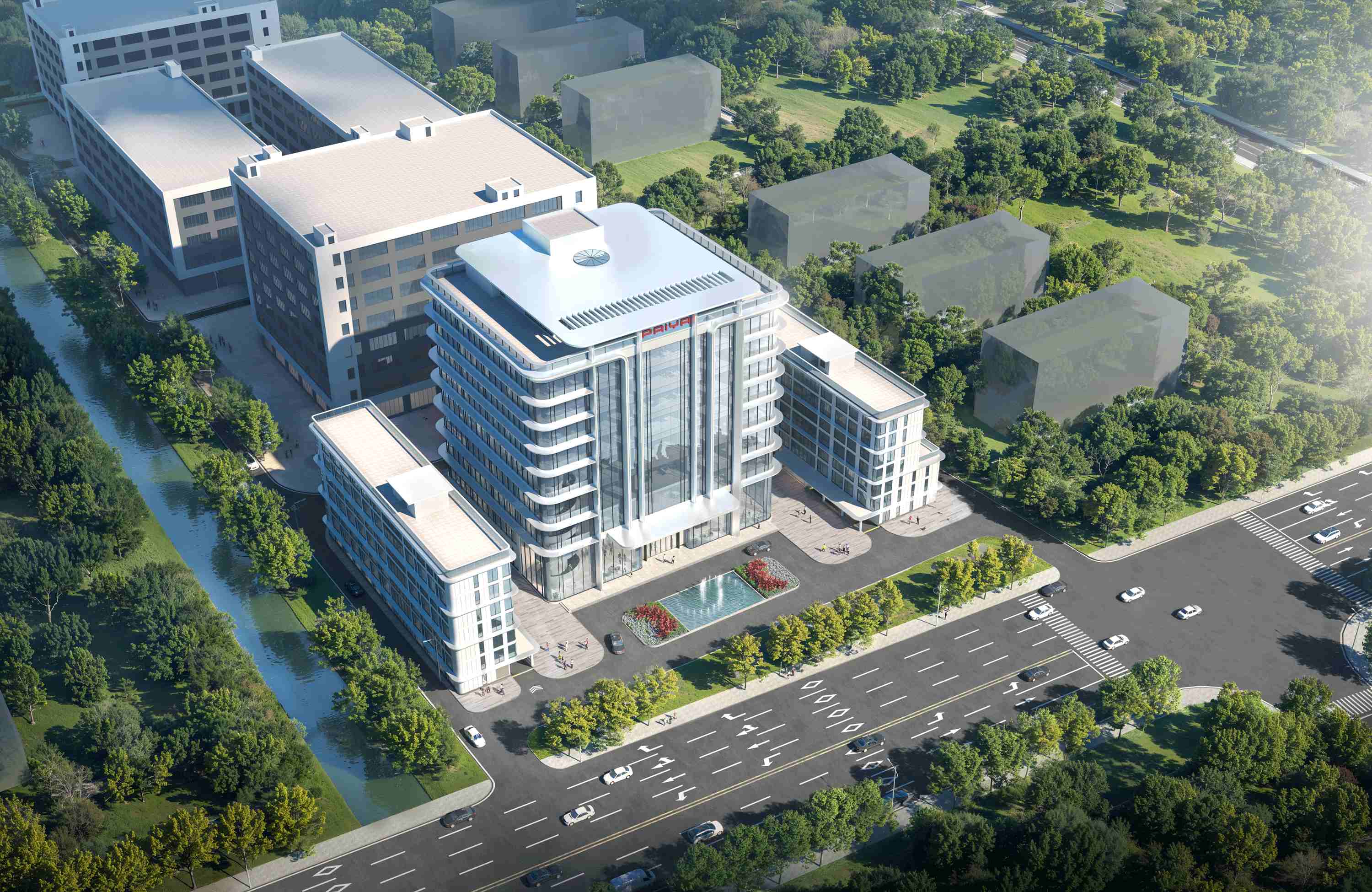
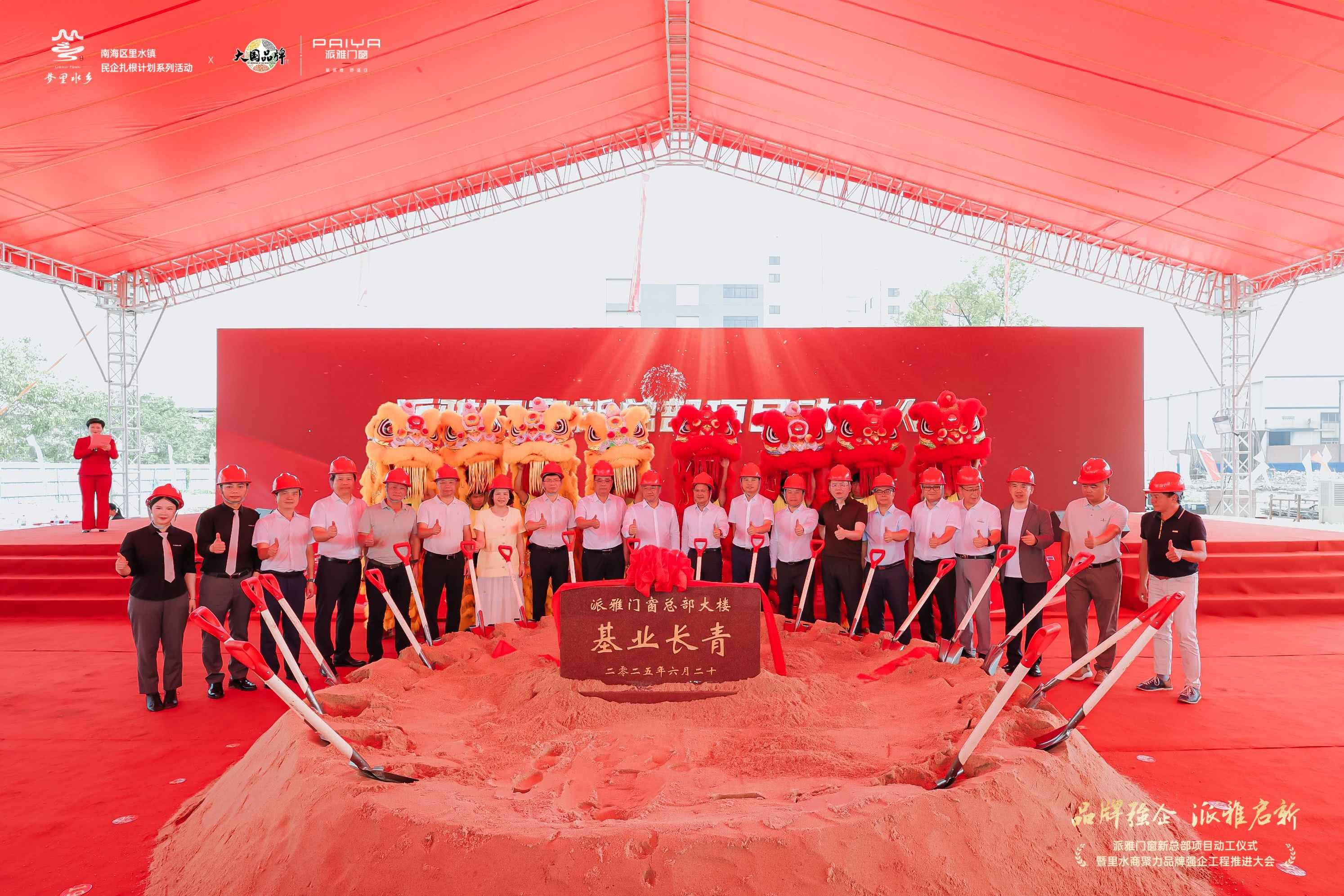
On July 14, Paiya Windows and Doors officially broke ground on its new headquarters project in Lishui Town, Foshan, alongside the launch of the "Lishui Business United for Brand Empowerment" initiative. The new headquarters, covering a total construction area of 150,000 square meters and designed with an annual production capacity of 2 million square meters, will serve as a high-tech industrial park integrating R&D, manufacturing, marketing, and services for premium aluminum system doors and windows. The new base is set to become Paiya’s smart command center, driving the company’s high-end brand strategy forward.
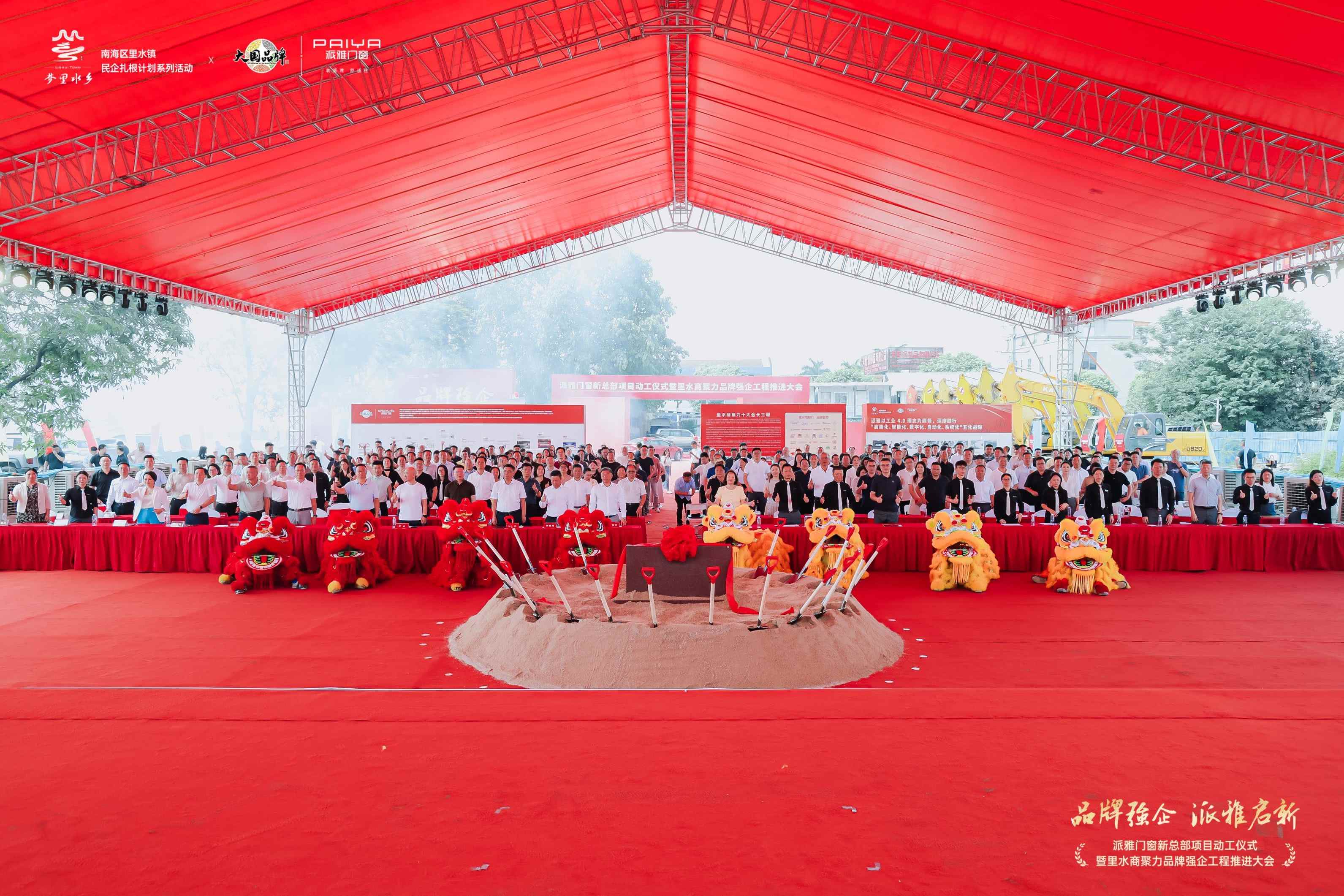
A Grand Milestone with Distinguished Guests in Attendance
The ceremony drew a prominent lineup of government officials, industry association leaders, and business partners, including Zhang Renjiang (Executive Deputy Secretary of the Party Committee and Secretary-General of the National Federation of Furniture and Decoration Industry), Huang Zhibin (Standing Committee Member of Nanhai District and Head of the United Front Work Department), and other key figures from local bureaus and associations.
Their presence underscored the strategic importance of Paiya's new development and the role the company plays as an industry leader.
A Strategic Leap Toward Global Leadership
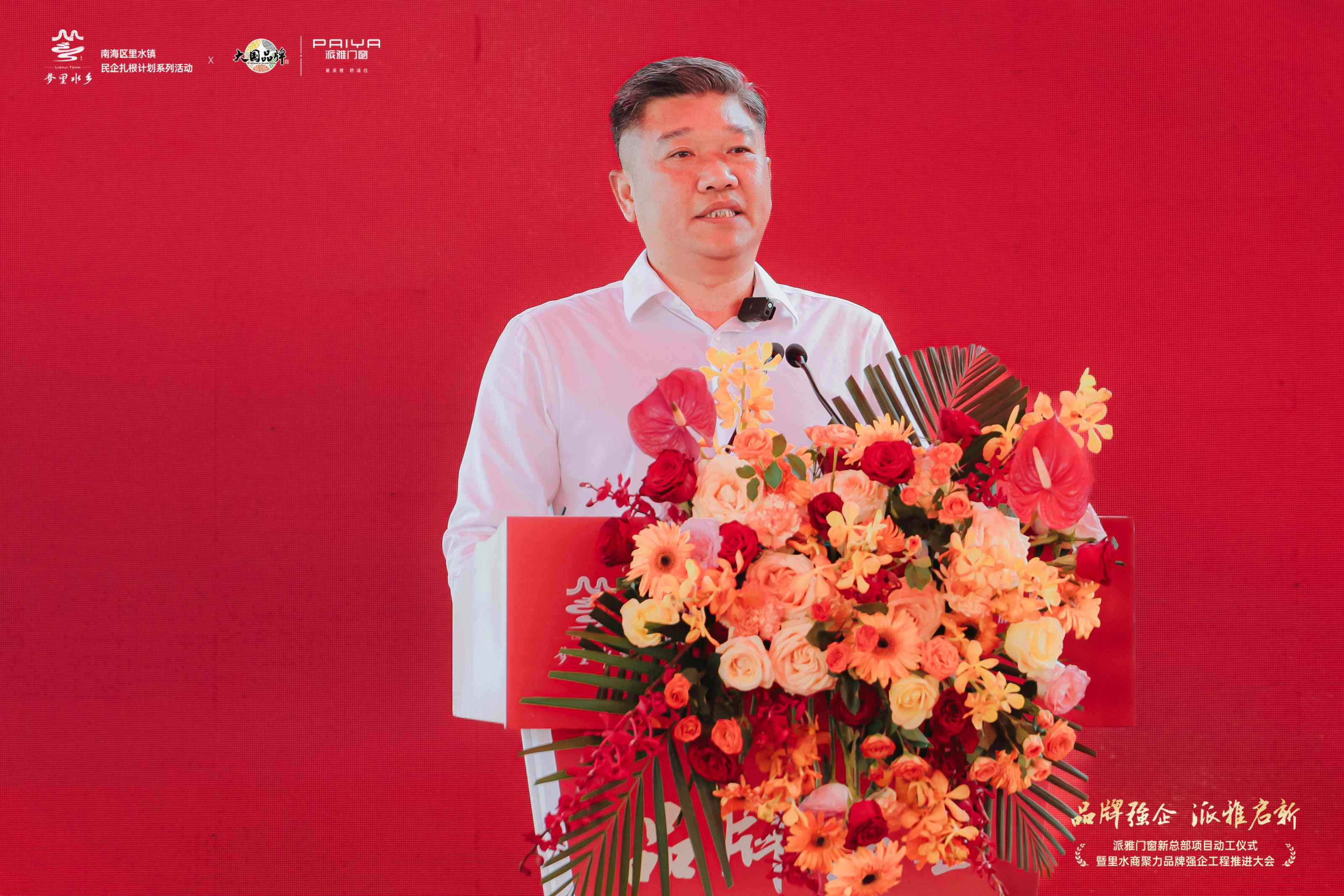
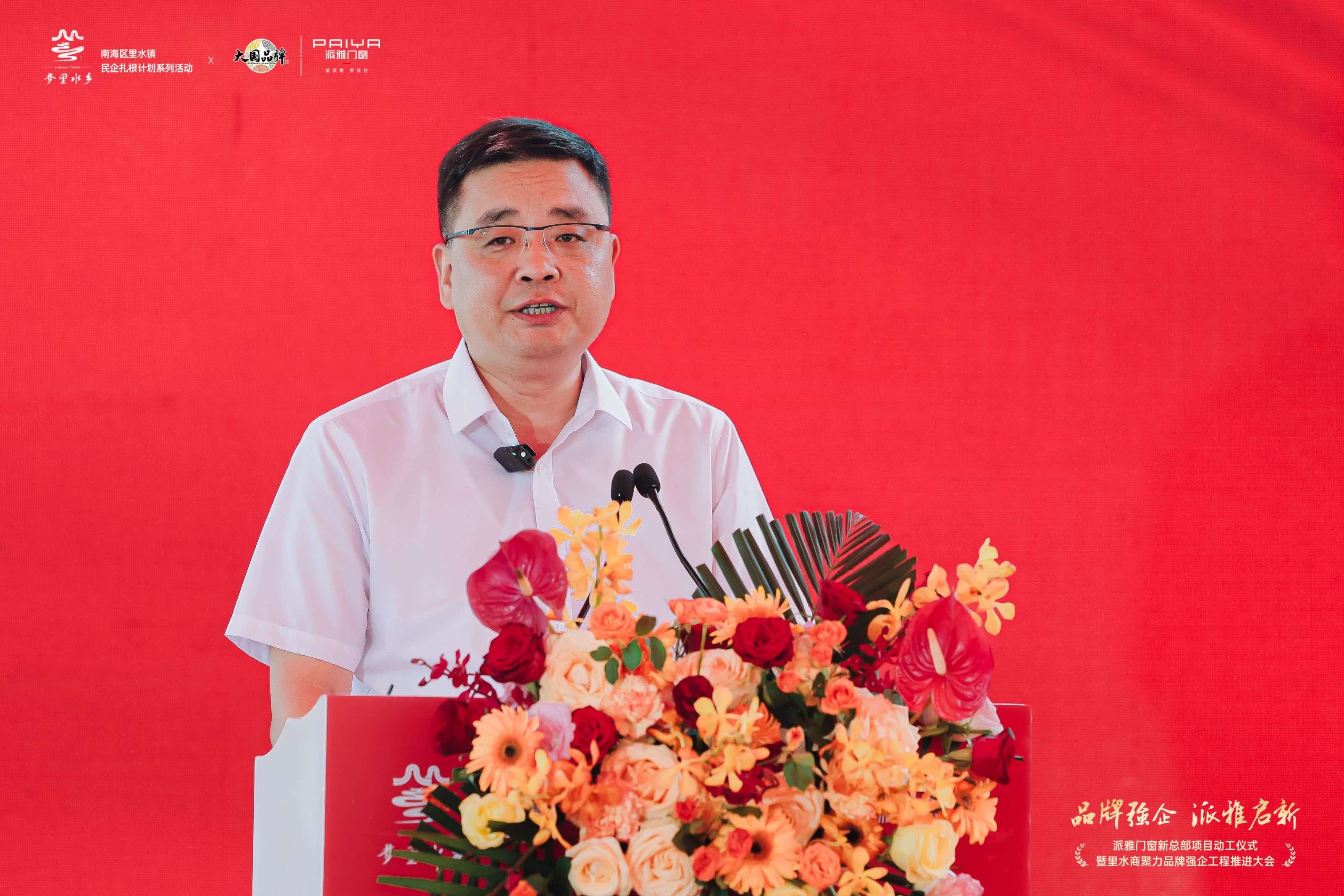
In his speech, Chairman Li Junhong expressed deep gratitude to government leaders, business partners, media, and the Paiya team for their longstanding support. He emphasized that the RMB 600 million investment is not only a new industrial base but a strategic anchor for Paiya’s vision to become a world-class leader in door and window technology.
“This new headquarters is a testament to our ambition — to lead China’s windows and doors industry into a new era of smart manufacturing and global competitiveness,” said Li. “From here, we aim to drive brand elevation, manufacturing innovation, and regional collaboration to make Chinese windows shine on the world stage.”
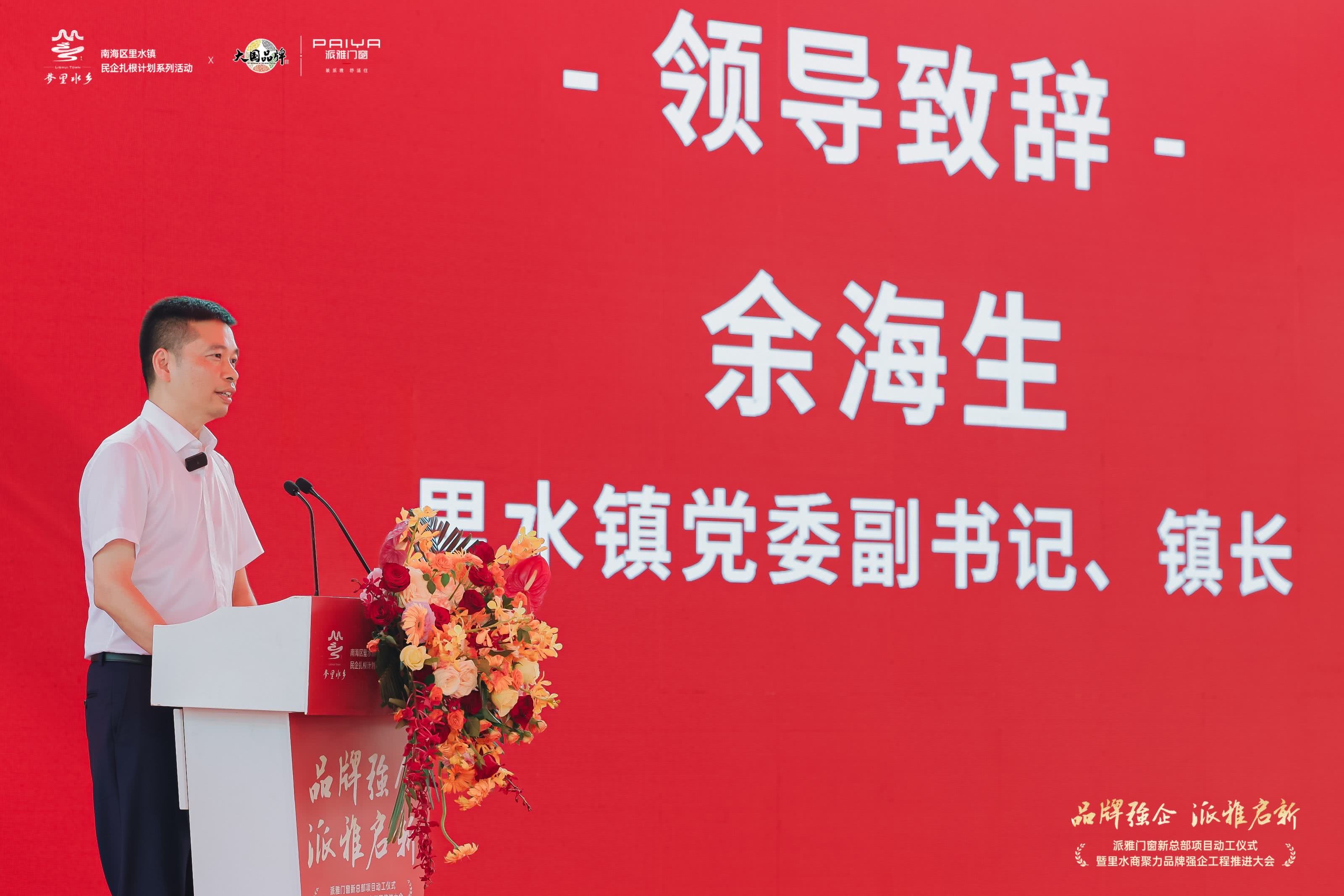
Lishui Town Mayor Yu Haisheng praised Paiya’s 35-year commitment to branding, calling it a benchmark for the region and an exemplary model for other enterprises. He voiced strong expectations for the new headquarters to attract upstream and downstream partners and create a strong industrial cluster with national brand influence.
Huang Zhibin from Nanhai District highlighted the strategic alignment between Paiya’s investment and Nanhai’s efforts to build a modern industrial ecosystem. “Paiya’s decision to root its headquarters in Lishui reflects a deeper engagement with the region’s industrial DNA. It’s a leading enterprise leveraging its brand power to lift the entire value chain,” he noted.
Zhang Renjiang emphasized that China’s home furnishing sector is transitioning from scale expansion to value transformation. He pointed out that Paiya’s headquarters will serve as a symbol of Chinese companies moving up the global value chain, enabling a shift from product exports to exporting standards and culture.
Strategic Partnerships and Industrial Empowerment
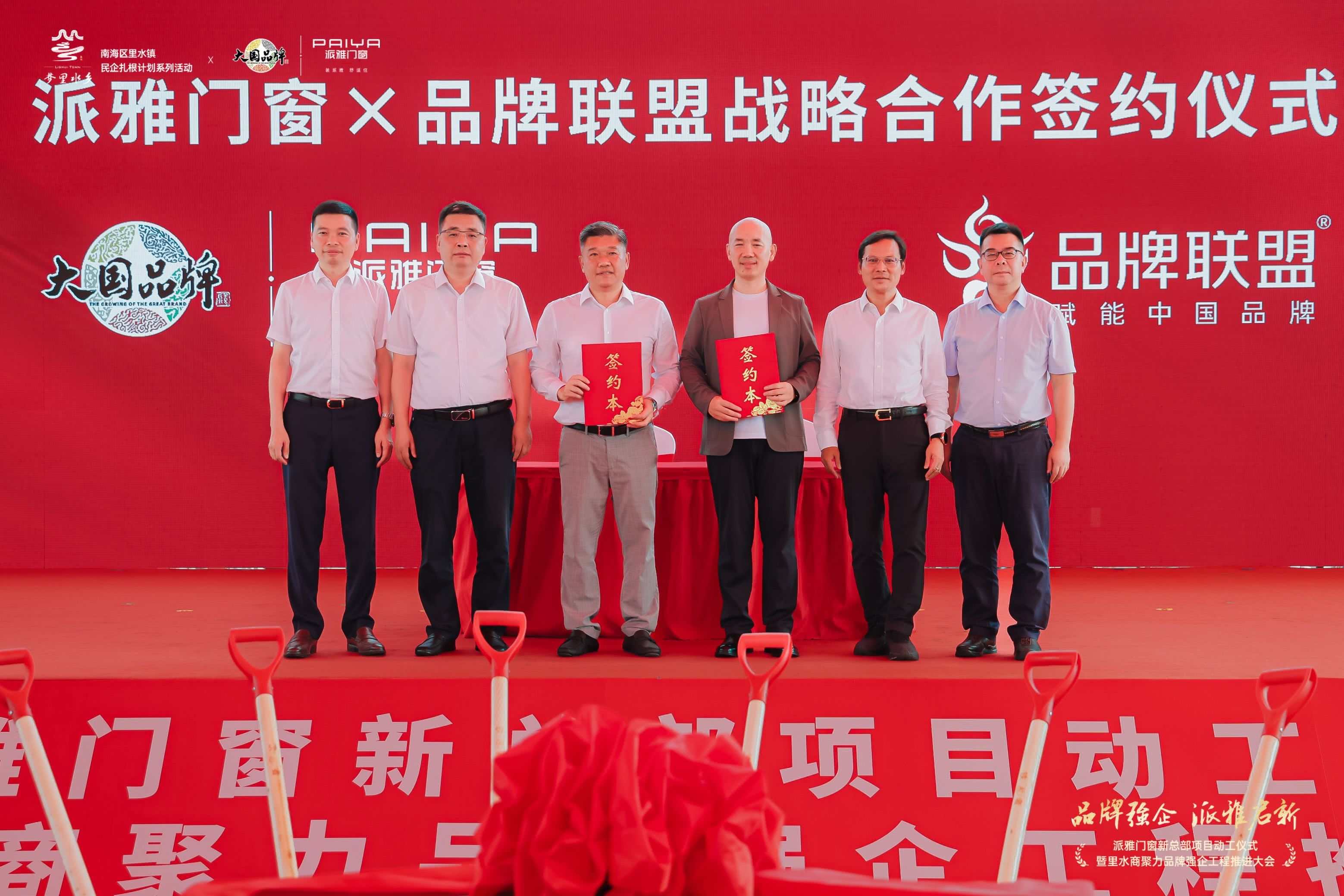
During the event, Paiya was recognized as a “Foshan Standard Product Enterprise,” and a strategic cooperation agreement was signed between Chairman Li Junhong and Wang Yong, Chairman of Brand Union and President of China Brand Festival.
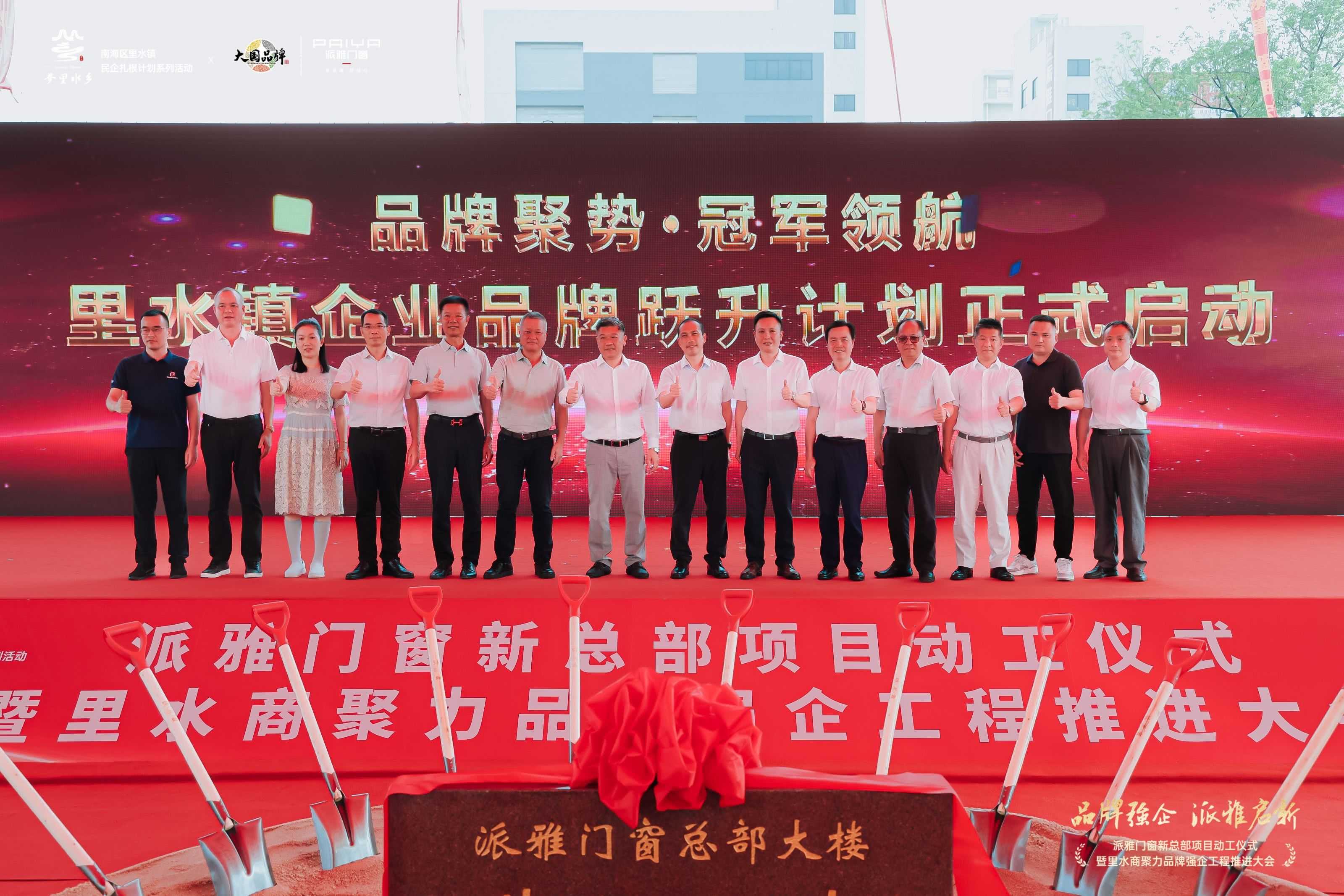
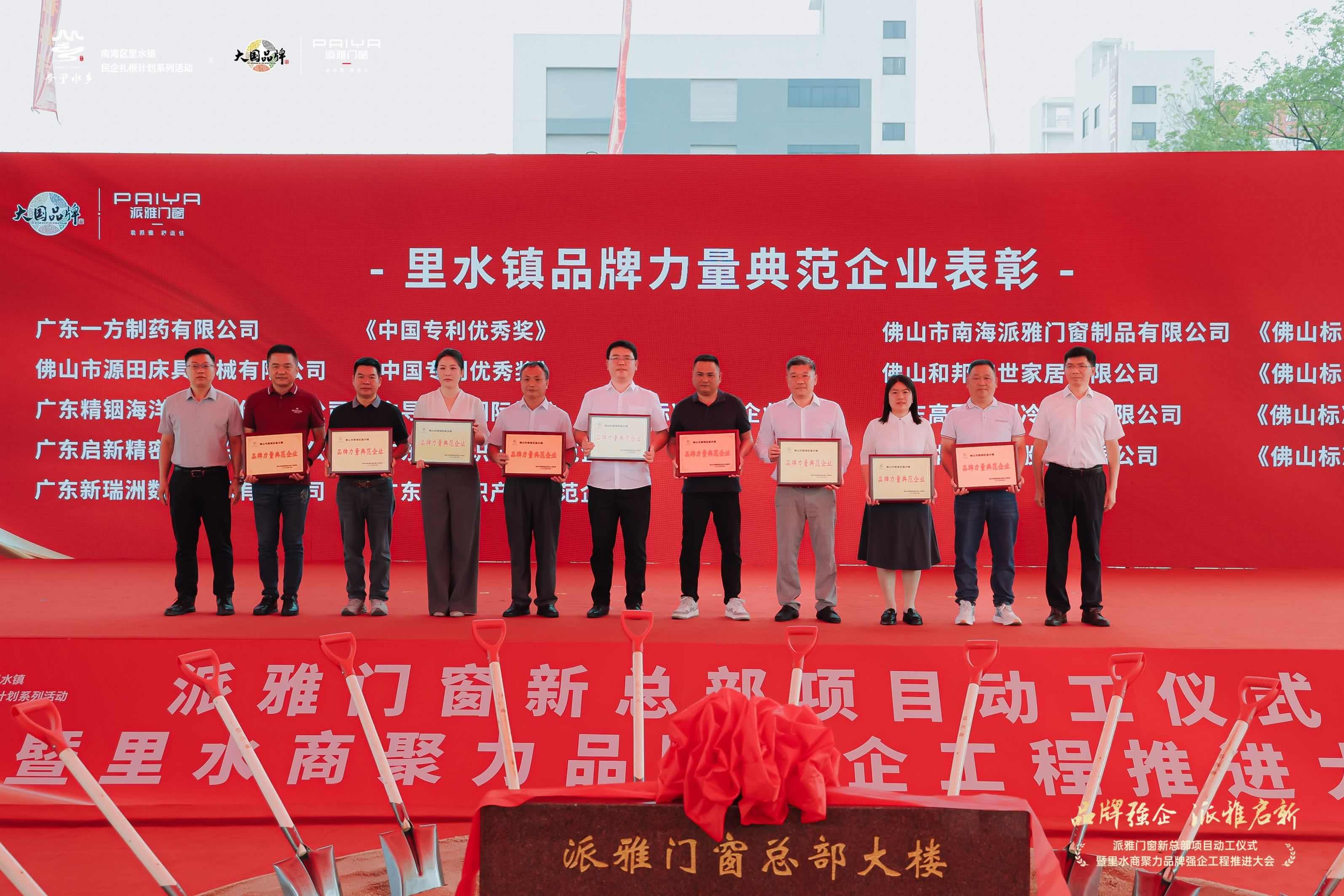
The groundbreaking moment was symbolized with a ceremonial soil-turning, marking not just the physical start of construction, but also the birth of a new industrial driver in the region. With the new headquarters as a launchpad, Paiya aims to deepen its integration into the Lishui home furnishing ecosystem and contribute to the high-quality growth of regional manufacturing.
Building the Future of Smart Manufacturing
The new Paiya headquarters is guided by a “building × technology × sustainability” design philosophy. Equipped with world-class aluminum doors and windows manufacturing technologies, it will redefine industry standards through precision engineering and smart automation.
With Industry 4.0 as its blueprint, the facility fully embraces a “Five Transformations” strategy — high-end, intelligent, digital, automated, and systemized — enabling end-to-end efficiency across R&D, production, marketing, and service.
It is set to become a benchmark for the global transformation of the windows and doors industry and a model of intelligent manufacturing under the "Made in China, Built for the World" vision.