
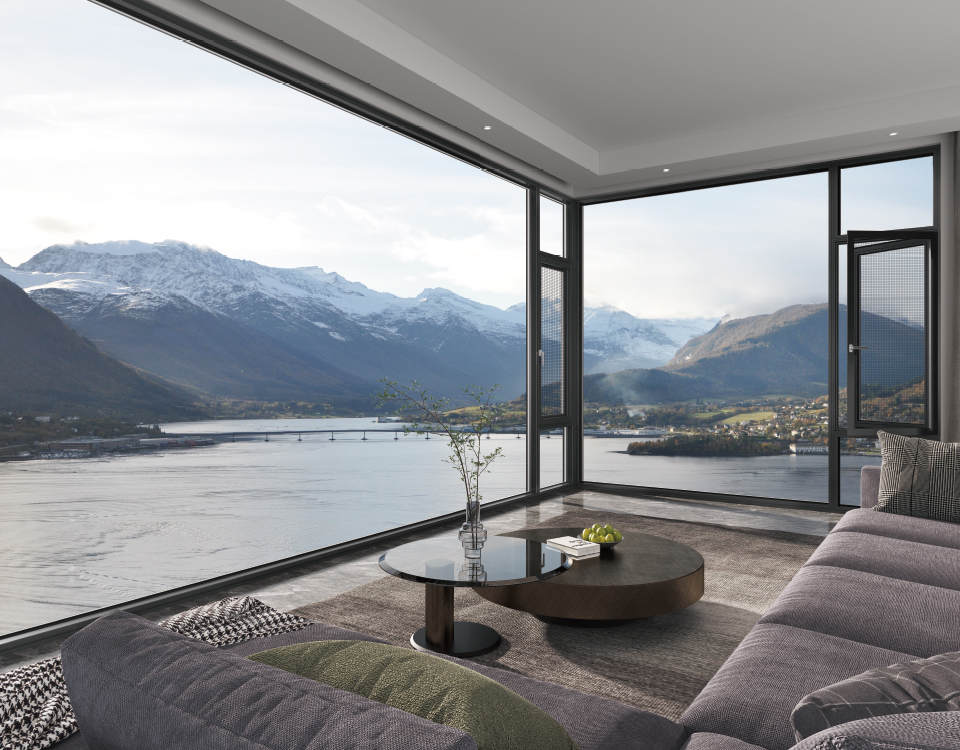
Both the tilt-and-turn window and the outward-opening casement window are hinged at the side, but they open in opposite directions — and that single difference changes how they feel to live with every day. The right choice depends less on which one is "better" and more on your home type, your climate, and who will be using the room. One gives you two opening modes and easy inside cleaning; the other saves interior space and keeps the design simple. With 36 years of manufacturing experience and a 300,000-square-meter smart factory, PAIYA Windows & Doors builds both styles as complete aluminum systems and configures them for projects across North America, Australia, the Middle East, and Southeast Asia. This guide explains the two designs and gives practical answers for different homes.
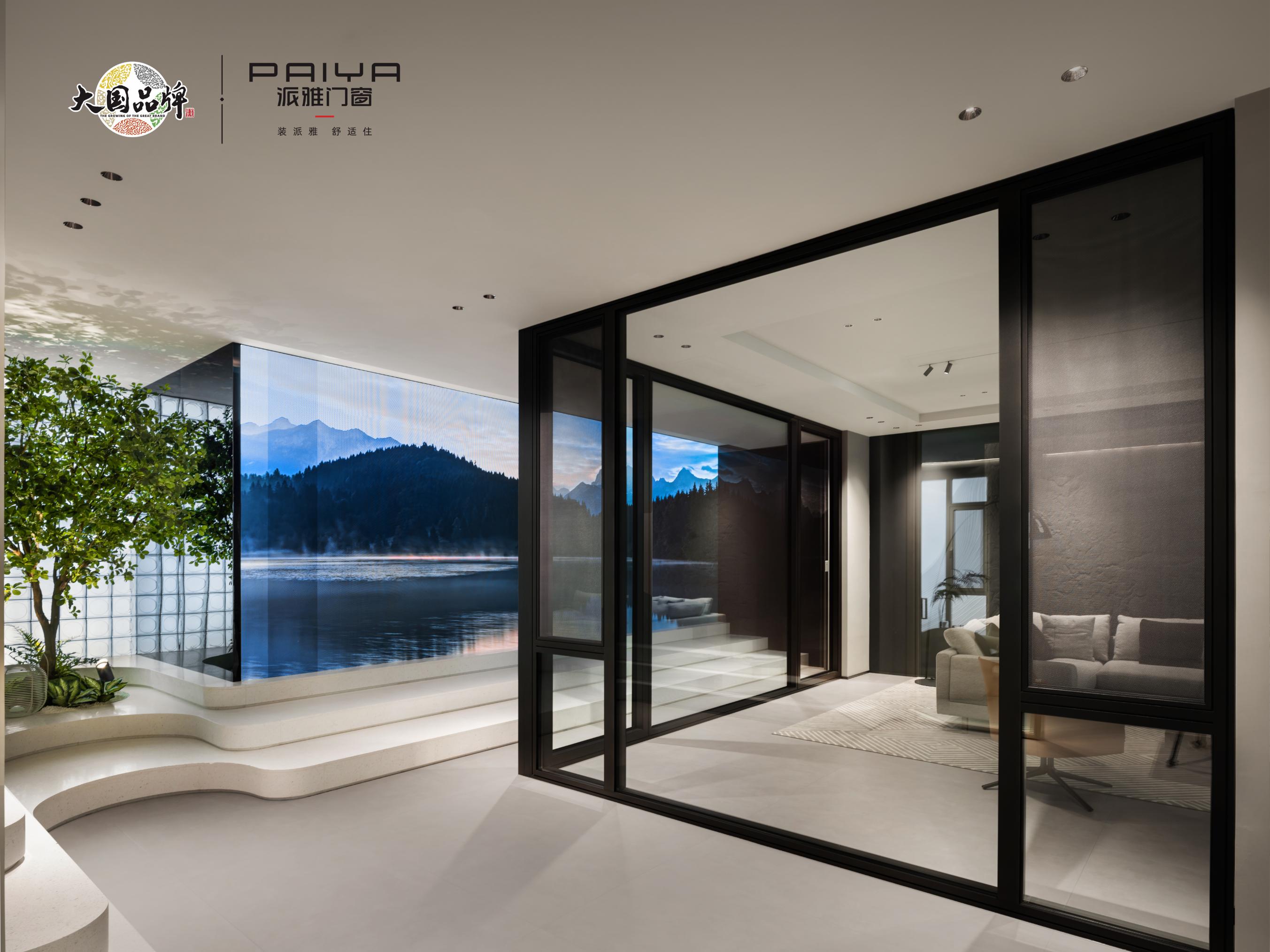
What Is an Outward-Opening Casement Window?
An outward-opening casement window is hinged at the side and swings open toward the outside, like a door. Because the sash pushes outward, it takes up no interior space, which makes it a natural choice for small rooms and homes where floor area is precious. When closed, compression seals press the sash firmly against the frame for strong airtightness and water resistance, and the opening clears fully for generous ventilation and natural light.
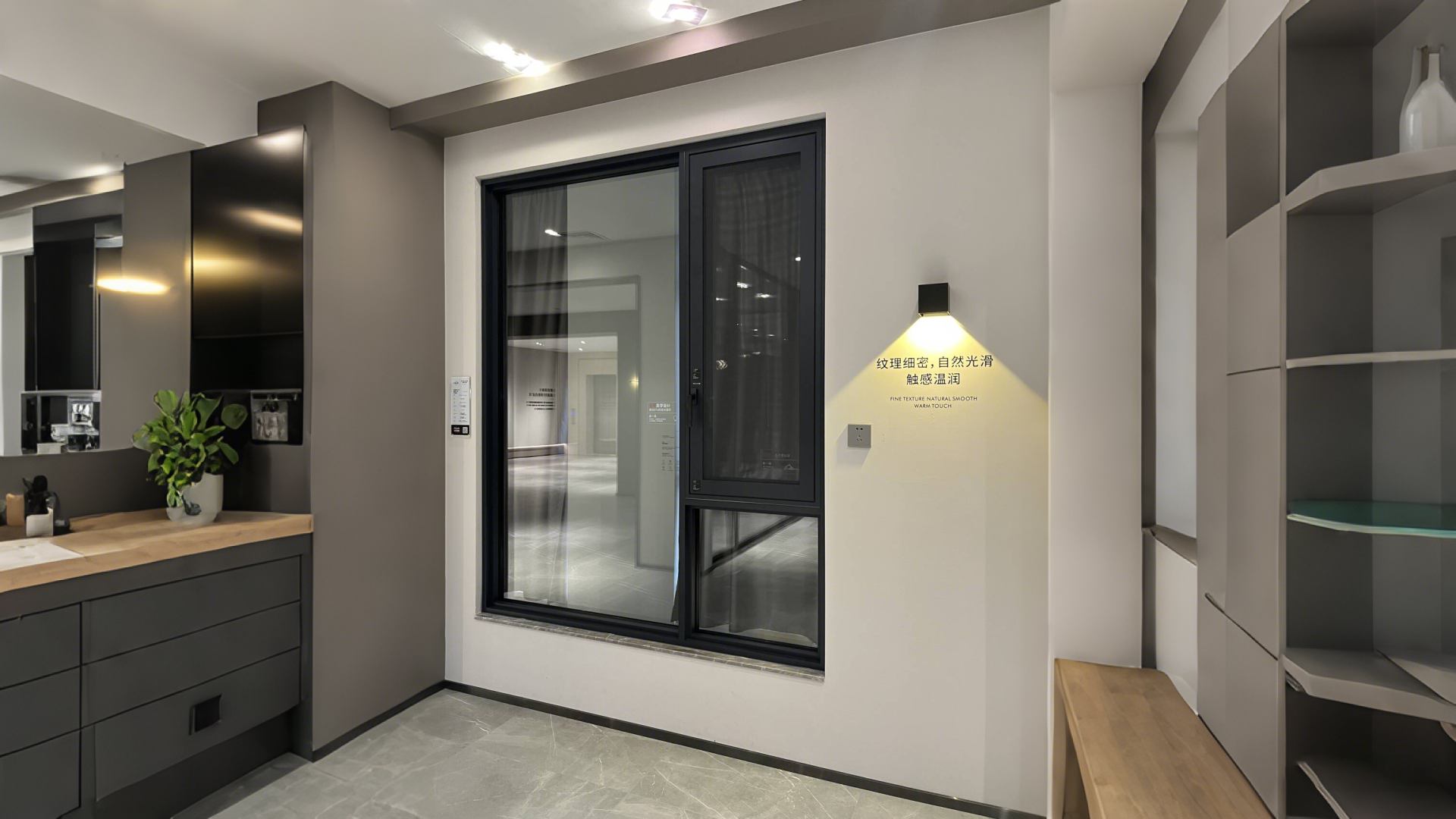
What Is a Tilt-and-Turn Casement Window?
A tilt-and-turn window gives you two functions in one. In turn mode, it swings inward like a casement window, opening fully for maximum airflow and easy cleaning from inside the room. In tilt mode, the top of the sash tilts inward to create a narrow ventilation gap while the window stays locked at the bottom. That small gap lets fresh air in while keeping rain out and making it much harder for anyone to reach through — a secure, child-safe way to ventilate a space.
Head-to-Head Comparison
|
Factor |
Tilt-and-Turn |
Outward-Opening |
|
Ventilation |
Two modes — a secure tilt gap or a full inward opening |
Full outward opening with direct airflow |
|
Interior space |
Needs interior clearance when turned inward |
Takes no interior space |
|
Cleaning |
Clean both sides from inside |
Outer pane is harder to reach, especially on upper floors |
|
Safety |
Tilt mode limits the opening and resists intrusion |
Opens fully outward; depends on locking |
|
Rain control |
Tilt mode ventilates while keeping rain out |
Closed seal sheds rain; open sash exposes the room |
|
Regional preference |
Common in Europe and Canada |
Common in many North American and international markets |
|
Cost |
Slightly higher — more complex mechanism |
Generally more economical |
The tradeoff is straightforward: tilt-and-turn adds versatility and safe ventilation, while outward-opening saves indoor space and keeps the design simpler.
Which Style Fits Your Home?
High-Rise Apartments
On upper floors, cleaning the outside of a window is a real challenge. A tilt-and-turn window solves this by opening inward, so you can clean both sides safely from inside the room. The tilt mode is also ideal for high-rise living, letting you ventilate without opening the window wide, which is safer and quieter on windy upper floors. If your building code permits outward-opening sashes, they can still work well, but the inward-cleaning advantage often tips the balance toward tilt-and-turn.
Small Rooms and Tight Spaces
In a compact bedroom or a room with furniture placed close to the window, every inch of interior clearance matters. An outward-opening window swings into the outside, leaving the floor and wall space completely free. If the room opens onto a balcony, walkway, or narrow courtyard, make sure the outward sash has room to swing without blocking the path.
Homes with Young Children
For families with children, the tilt mode of a tilt-and-turn window is a major advantage. You can leave the window tilted for ventilation while the opening stays too narrow for a child to climb through, and the bottom of the sash remains locked. This gives you fresh air and peace of mind at the same time.
Bedrooms
Bedrooms need quiet, controlled ventilation. A tilt-and-turn window lets you leave the sash tilted overnight for gentle airflow without fully opening the room to noise or weather. Combined with insulated glass and tight seals, this keeps the room comfortable and calm — especially useful in homes near busy roads.
Kitchens and Bathrooms
Kitchens and bathrooms need frequent, quick ventilation to clear steam, moisture, and odors. The tilt mode of a tilt-and-turn window is perfect for this: one simple movement opens a gap for air, then closes it again without swinging a full sash into the room. In tighter kitchen layouts, this avoids collisions with counters and cabinets.
Coastal and Windy Areas
In coastal or high-wind locations, weather resistance matters more than anything. Both styles perform well when they use corrosion-resistant aluminum, compression seals, and a hidden drainage system. The tilt mode of a tilt-and-turn window offers a useful benefit in rain: you can keep air moving while the tilted sash keeps most of the rain out. The same logic applies in hot, sunny climates, where a wide thermal break and Low-E glass keep the interior cooler no matter which way the sash opens.
Villas and Large Living Areas
In larger homes, the choice is often driven by the view and the architecture. An outward-opening window keeps the interior clean and uncluttered, framing the view with slim sightlines and larger glass areas. A tilt-and-turn window is useful in living spaces where you want quiet ventilation during the day without swinging a large sash into the room. Many villa projects use both: outward-opening windows on the main facades and tilt-and-turn units in bedrooms and bathrooms.
Regional Preferences and Building Codes
Opening style is also shaped by region. Inward-opening and tilt-and-turn windows are common in Europe and Canada, where inward cleaning and secure ventilation are standard practice. Outward-opening windows are widely used in many other markets, including North America, Australia, and the Middle East. For projects that must meet specific standards, certified products can be configured to NFRC energy ratings, CSA standards, and AS2047 requirements so the window complies with the local market.
What Matters in Both Styles
The opening style is only one decision. Long-term performance still comes down to the frame, glass, seals, and hardware. Look for a genuine thermal-break aluminum frame with a multi-chamber profile — ideally a thermal break around 24mm and a wall thickness near 1.8mm — because this is what controls heat loss and keeps the frame rigid. Choose double or triple glazing matched to your climate, with argon filling and a Low-E coating where insulation matters most. EPDM compression seals and a hidden drainage system keep wind, water, dust, and noise out, while load-rated multi-point hardware holds the sash tight and secure over years of use. A manufacturer that can customize all of these elements gives you a window built for your specific conditions rather than a one-size-fits-all product.
How to Make the Final Choice
Whichever style you choose, the same fundamentals determine how well the window performs over time: a genuine thermal-break aluminum frame, double or triple glazing with argon and Low-E coating, EPDM compression seals, and load-rated multi-point hardware. A good manufacturer can then customize the profile, glass, and finish to match your climate and market. In practice, many homes use a mix — tilt-and-turn in bedrooms and bathrooms, and outward-opening on balconies and living facades — so the two styles are often partners rather than rivals.
PAIYA Windows & Doors, operated by Foshan Nanhai Paiya Door & Window Products Co., Ltd., brings 36 years of manufacturing experience to both opening styles. If you are deciding between tilt-and-turn and outward-opening for a specific project, contact PAIYA for technical drawings, glass specifications, and a customized quotation.