
Most glass door guides list features and leave you to sort them out. This one works the other way: it starts from your situation — your space, your climate, and how you actually live — and points you to the right door, with the reason behind each recommendation. Whether you are renovating a balcony, opening up a living room, or separating two rooms, the goal is the same: avoid buying a beautiful door that turns out to be the wrong type for the job. PAIYA builds all three main types — swing, sliding, and folding — in its 300,000-square-meter smart factory, so the choice comes down to which one fits your life.
Start With Three Questions
Before comparing products, answer three simple questions:
- How much of the opening do you want to open — a full wall, or a door-sized gap?
- How much space is around the opening — is there room for a door to swing?
- What are you dealing with outside — noise, heat, wind, or insects?
These three answers narrow the choice to one of three opening types, and the sections below tell you which one. For a quick answer, here is the short version of the recommendations in this guide:
|
Your situation |
Recommended door |
Main reason |
|
Open up a whole wall to a patio or garden |
Folding door |
Panels stack, nearly the whole opening clears |
|
Small room or tight space |
Sliding door |
No swing clearance needed |
|
Airtight room divider or entrance |
Swing door |
Tightest compression seal |
|
Noise, heat, wind, or insects nearby |
Depends on the factor |
See the matching section below |
Want to Open Up a Whole Wall? Choose a Folding Door
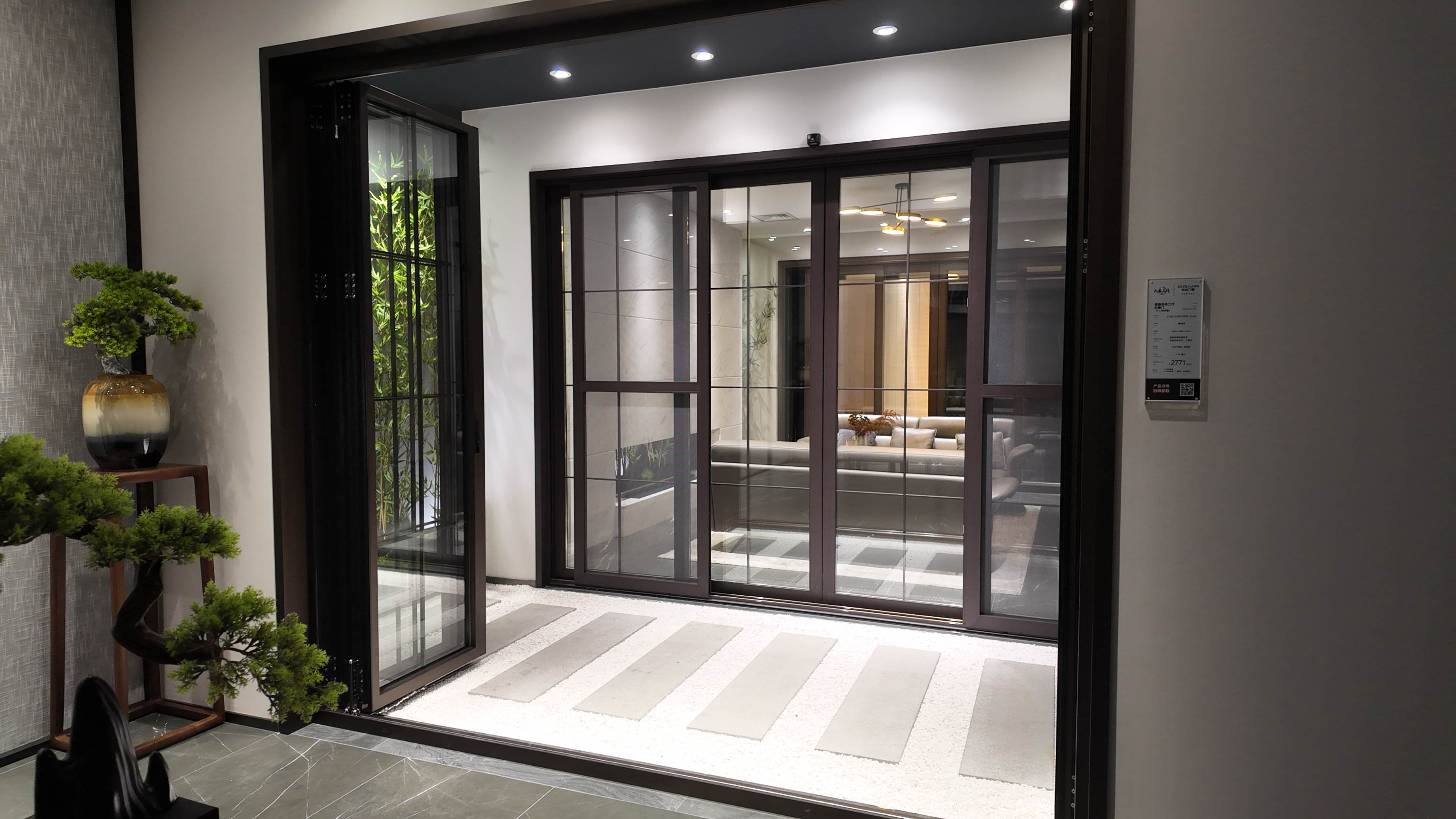
If your goal is to connect a living room to a patio, garden, or balcony, a folding door is usually the right call. The reason is simple: a folding door stacks its panels to one or both sides, so nearly the entire opening becomes a clear passage — far more than a sliding or swing door can provide. On warm days the whole wall disappears; on cooler days it closes back into a sealed barrier. When comparing folding doors, look for multi-layer sealing at the folding joints, so the open feel does not come at the cost of drafts and leaks.
Alt:Folding doors with a concealed drainage system
Url:https://www.paiyadoorwindow.com/products/folding-door.html
Short on Space? Choose a Sliding Door
If the room is small, or furniture sits close to the opening, a sliding door is the practical choice. The reason: the panel glides along a track and never swings into the room, so you lose no usable floor space. This is why sliding doors dominate balconies and compact rooms. A minimalist sliding door with a slim visible frame also keeps the view as wide as possible — some can carry panels up to 3 meters wide and 3 meters high.
Need a Tight Seal and Quiet? Choose a Swing Door
If the door needs to close tightly — between a bedroom and a hallway, or as an entrance — a glass swing door is the strongest performer. The reason: a hinged sash presses against the frame with compression seals on all sides, so it closes more tightly than a sliding track. That means less draft, less noise, and better temperature control. The tradeoff is that it needs clear space to swing, so it is the right pick where airtightness matters more than saving space.
Dividing Two Rooms? Keep the Light Flowing
If the door is inside the home — separating a kitchen from a dining room, or a bedroom from a study — the main job is usually to keep light flowing while providing some separation. A glass door does both, and the choice between swing and sliding then comes down to space: swing where the seal matters, sliding where the floor is tight. For a barely-there, minimalist look, a slim swing door can sit nearly flush with the wall while still closing properly when you need privacy or quiet.
Near a Busy Road? Prioritize Glass and Seals
If outside noise is the problem, the type of door matters less than the glass and the seal. The reason is that most sound enters through gaps and thin glass, not through the frame. Choose insulated glass — double or triple glazing with argon — and EPDM compression seals. Pay attention to the details that actually move the needle: the gap width between the panes, the glass thickness, and whether the unit is laminated. A well-sealed thermal-break glass door can reduce outside noise by more than 29 dB, which makes a real difference next to a road or airport. Swing doors hold a small edge here, because their compression seal is the tightest of the three.
On the Coast or in a Windy Area? Choose a Wind-Load-Rated Door
In coastal or high-wind locations, the door has to survive the weather as much as provide a view. The reason: salt air corrodes, and strong gusts twist large panels. Choose corrosion-resistant primary aluminum, hidden drainage that sheds rainwater without backflow, and — for large sliding doors — typhoon-resistant top rollers and a high-load bottom system that keeps big panels stable in gusts. A sliding door engineered this way can safely carry a panel weighing hundreds of kilograms.
In a Hot, Sunny Climate? Choose Low-E Glass and a Thermal Break
If heat is the enemy, the glass does most of the work. The reason: a Low-E coating reflects infrared heat while still letting visible light through, and a thermal-break frame stops heat from traveling through the metal. Together they keep the interior cooler and cut air-conditioning costs. In strong-sun regions, Low-E glass also blocks much of the UV that fades furniture and floors over time.
Have Pets or Want Bug-Free Fresh Air? Choose a Built-In Screen
If you like leaving the door open for air but hate insects — or if you own pets — choose a door with an integrated insect screen. The reason: the screen lives inside the door system rather than as a bolt-on, so it stays neat and unobstructed. A fine stainless-steel mesh keeps out even small insects while staying bright; heavier mesh grades suit pet households and high-traffic areas where the screen takes more abuse.
How to Compare Your Shortlist
Once your situation points you to a type, compare the candidates on four things:
- Glass: double or triple glazing, argon filling, Low-E coating, and tempered glass for large panels.
- Frame: primary aluminum such as 6063-T5, with a thermal break and enough profile thickness to stay rigid.
- Sealing and drainage: EPDM gaskets, multi-layer sealing, and hidden drainage channels.
- Certification: certified products tested to NFRC, CSA, or AS2047 standards for U-value, air tightness, and wind resistance.
This keeps the final decision about measured performance rather than appearance alone.
Make the Choice, Then Make It Yours
Choose the type that matches your situation first, then verify glass, frame, sealing, and certification, and only after that consider extras such as color matching or smart control. Working in that order keeps the decision practical and keeps you from paying for features you will never use.
With 36 years of manufacturing experience, PAIYA configures swing, sliding, and folding glass doors to your climate, market, and budget. Contact PAIYA for technical drawings, glass specifications, and a customized quotation.