
![ascxsa1_185465[1]](/attachment/180/source/ascxsa1_1854651_187613.JPG)
A casement window is a long-term investment, and the choices you make now affect comfort, energy bills, and maintenance for decades. A casement window is hinged at the side and opens outward or inward like a door, so it can seal tightly when closed and open wide for ventilation. Most buyers focus on appearance first, but real performance comes from four areas that are easy to overlook: the aluminum profile, the glass, the hardware, and the sealing. As a manufacturer with 36 years of experience and a 300,000-square-meter smart factory, PAIYA Windows & Doors builds its windows around exactly these four fundamentals. This guide walks through each one so you can compare options and choose with confidence.
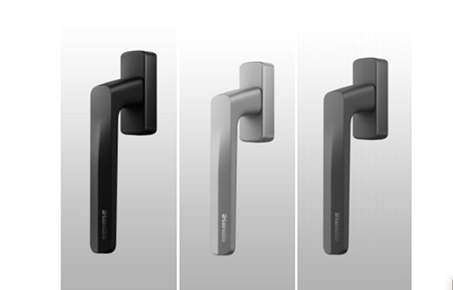
Alt:iHandle antibacterial handle
Url:https://www.paiyadoorwindow.com/products/casement-window-.html
1. Aluminum Profile: The Frame and the Thermal Break
The profile is the window's skeleton, and it decides strength, durability, and thermal performance. Start by checking the aluminum. Primary aluminum such as 6063-T5 offers a good balance of strength and formability, and it resists corrosion far better than recycled or lower-grade alloys.
Aluminum is a great material, but it conducts heat quickly. Without a thermal break, a metal frame becomes a thermal bridge — a direct path that lets indoor heat escape in winter and outdoor heat enter in summer. The most important feature to look for is a genuine thermal break. In a thermal-break frame, the aluminum is split into an inner and outer section joined by a low-conductivity polyamide strip. This strip interrupts the flow of heat through the metal, keeping the frame warmer inside in winter and cooler inside in summer. A wider thermal break — around 24mm — and a multi-chamber profile design improve insulation even further. Wall thickness also matters: a profile around 1.8mm resists deformation and keeps the casement window stable and square over years of use.
The surface finish matters too. A quality powder-coated or electrodeposited finish protects the aluminum and keeps its color stable over years of sun and rain, with very little maintenance. Aluminum itself does not warp, rot, or rust, and it is fully recyclable at the end of its long service life.
2. Glass: The Largest Surface of the Window
Glass makes up most of the window's surface, so it drives both insulation and sound control. For most climates, double glazing is the practical baseline, while triple glazing is worth considering in cold regions. The gap between the panes matters as much as the number of panes: argon-filled cavities insulate better than plain air, and Low-E coatings reflect infrared heat while still letting visible light through.
Think about safety and noise as well. Tempered glass is stronger and shatters into small, safer pieces if broken. Laminated glass adds an extra layer that improves both sound insulation and security. Low-E coatings also reduce UV transmission, which helps protect furniture, flooring, and finishes from fading over time. If your project faces a busy road or a hot, sunny climate, combining Low-E coating with laminated or triple glazing will deliver the most noticeable difference in comfort.
Noise control works on the same principle as insulation. A well-configured insulated glass unit, with the right glass thickness, gap width, and lamination, can bring a noisy street down to a far more comfortable indoor level. The exact reduction depends on the configuration, so match the glass to the sound level you actually face rather than choosing by glass count alone.
3. Hardware: Hinges, Locks, and Handles
Hardware is what you touch every day and what keeps the window secure. The hinges must be strong enough to support the weight of the sash and allow the right opening angle without sagging. Multi-point locking systems pull the sash firmly into the frame at several points, improving both airtightness and resistance to forced entry.
Quality matters here because hardware is the part most likely to wear. Premium multi-point systems are engineered for durability and smooth operation over tens of thousands of cycles. A quality handle and lock set should feel solid, operate easily, and keep its finish without fading over time.
Hinges in particular do more work than they get credit for: they carry the full weight of the sash every time the window opens. A system with precision-engineered, load-rated hinges will stay level and close tightly for years, while cheaper hinges can sag and gradually break the seal. Look for hardware that has been tested for durability and static load, not just hardware that looks heavy.
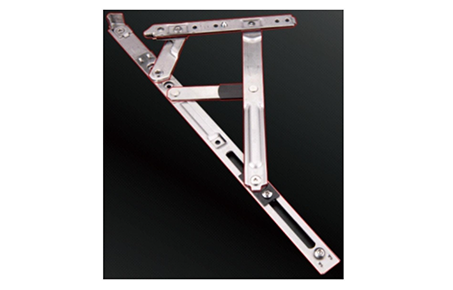
Alt:Premium Hardware
Url:https://www.paiyadoorwindow.com/products/casement-window-.html
4. Sealing and Drainage: Gaskets and Weatherproofing
Seals are small and easy to overlook, but they decide how well the window performs in real weather. EPDM compression gaskets press the sash against the frame when closed, blocking air, water, dust, and noise. A triple-seal structure — using multiple gaskets and a flexible sealing system — further improves watertightness and airtightness.
Drainage is just as important. A well-designed window channels any water that does enter away quickly instead of letting it pool. Hidden drainage systems do this without exposed plastic caps, keeping the facade clean and preventing rainwater backflow under high-wind conditions. When comparing windows, ask how the frame is sealed and how it drains, not just how it looks.
Watertightness and airtightness are usually the two figures that separate a true system window from an assembled one. Ask for performance data on air tightness, water tightness, and wind resistance, and compare those numbers between options rather than judging by appearance alone.
Beyond the Four Basics: Opening Style and Certification
Once you have confirmed the profile, glass, hardware, and sealing, two final decisions remain. The first is opening style. An outward-opening casement window maximizes interior space, while an inward-opening design makes cleaning easy from inside. A tilt-and-turn window gives you both: it tilts inward at the top for secure ventilation or swings open fully for maximum airflow.
The second is performance certification. If you are buying for a specific market, check that the window meets the relevant standards — NFRC energy ratings for North America, CSA for Canada, and AS2047 for Australia. Certified products give you a verifiable way to compare thermal performance, air tightness, water tightness, and wind resistance instead of relying on claims alone.
Match the Window to Where It Will Live
The right configuration also depends on your location. In coastal areas, corrosion-resistant aluminum and a hidden drainage system protect against salt air and humidity. In hot climates, a wide thermal break and Low-E glass keep heat out and lower cooling costs. In cold climates, triple glazing and argon filling help retain indoor warmth. In noise-sensitive locations, laminated glass and a tight multi-seal perimeter create a quieter interior. Choosing a window that is configured for your specific conditions — rather than a one-size-fits-all product — is what separates a true system window from a standard one.
A Simple Checklist Before You Buy
Before you commit, run through a quick checklist:
- Profile: primary aluminum, a genuine thermal break (ideally around 24mm), multi-chamber design, and a wall thickness near 1.8mm.
- Glass: double or triple glazing matched to your climate, with argon filling and Low-E coating where insulation matters most.
- Hardware: load-rated hinges and multi-point locking from a reputable hardware supplier.
- Sealing: EPDM compression gaskets, a multi-seal structure, and a hidden drainage system.
- Opening style: outward, inward, or tilt-and-turn, chosen for your space and cleaning needs.
- Certification: NFRC, CSA, or AS2047 if your market or project requires it.
Checking these six points makes it much harder to end up with a window that looks good on the surface but underperforms where it counts.
How to Make the Final Decision
The four areas above rarely need to be evaluated in isolation; they work as a system. A thermal-break profile means little without the right glass, and premium hardware matters less if the seals cannot hold the sash tight. That is why it helps to choose a manufacturer that engineers all four together and offers flexible customization in profile, glass, hardware, and finish to match your climate and market.
With 36 years of manufacturing experience and projects across North America, Australia, the Middle East, and Southeast Asia, PAIYA configures each window to the climate, code, and budget it will live with. If you are ready to compare options, contact PAIYA for technical drawings, glass specifications, and a customized quotation.