
![csaec_185225[1]](/attachment/180/source/csaec_1852251_187598.JPG)
Choosing between a casement window and a sliding window is one of the first decisions in any window project. Both styles are proven, widely used, and available in high-performance aluminum systems, but they operate in very different ways and suit different priorities. As a manufacturer with 36 years of experience and a 300,000-square-meter smart factory, PAIYA Windows & Doors supplies both types to projects across the USA, Canada, Australia, the Middle East, and Southeast Asia. This guide breaks down the key differences so you can choose the right one for your climate, space, and budget.
How a Casement Window Works
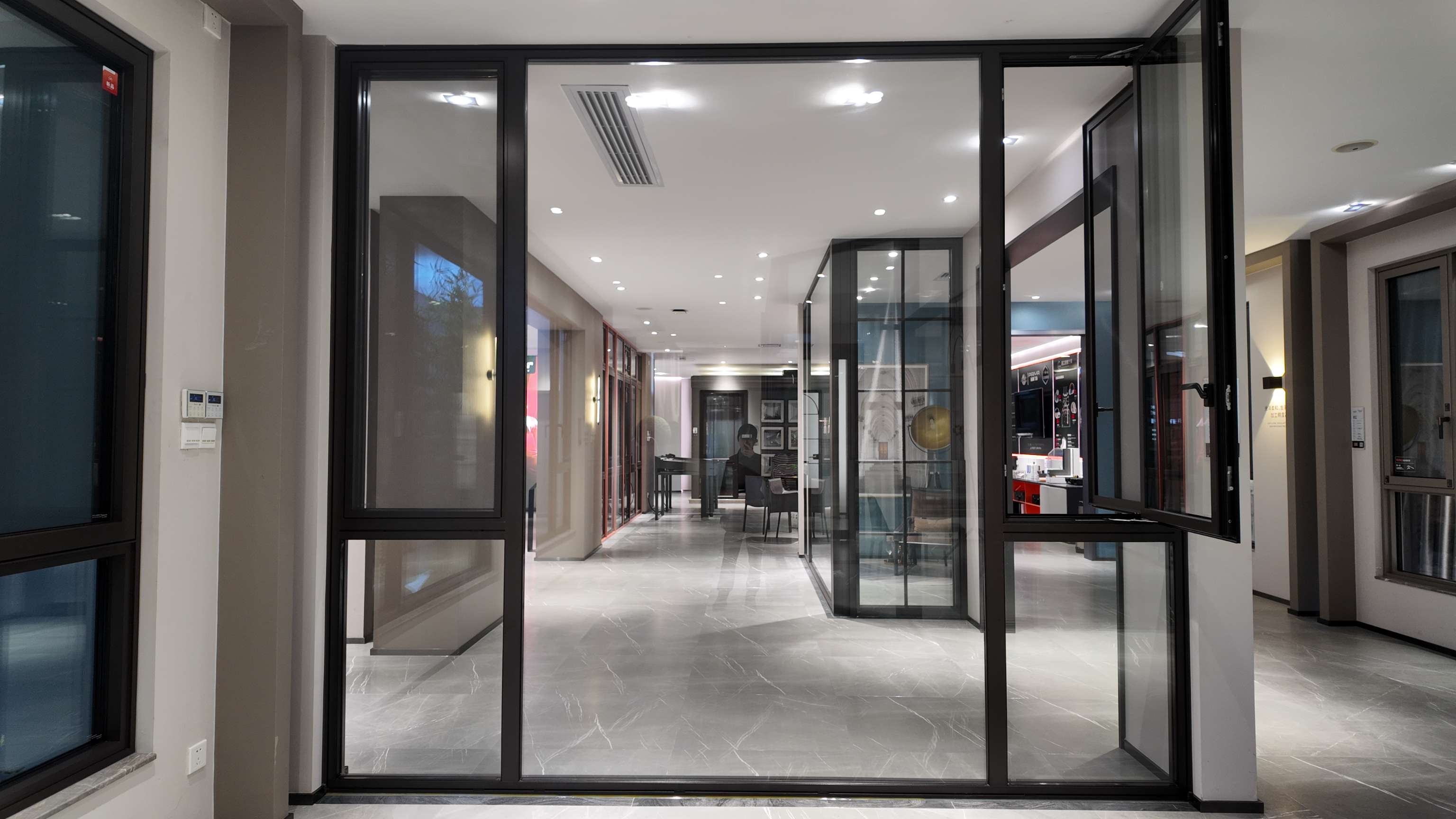
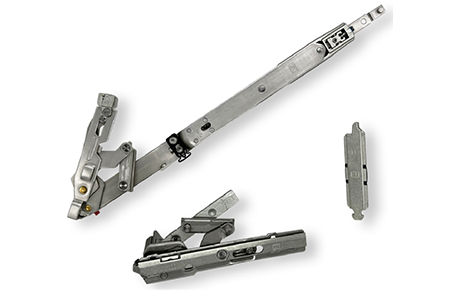
A casement window is hinged at the side and opens outward or inward like a door. When closed, the sash presses against the frame with compression seals, creating a tight barrier on all four sides. Unlike a sliding design, there is no track for air or water to follow, which is why the casement window is so effective at controlling air leakage. Multi-point locking hardware pulls the sash firmly into the frame, keeping the seal consistent across the entire perimeter.
When open, the sash swings wide to provide a full, unobstructed opening for maximum ventilation and natural light. This combination of a tight seal and a wide opening is why casement windows are widely used in projects that must meet demanding energy and acoustic standards, including NFRC energy ratings in North America, CSA standards in Canada, and AS2047 in Australia.
How a Sliding Window Works
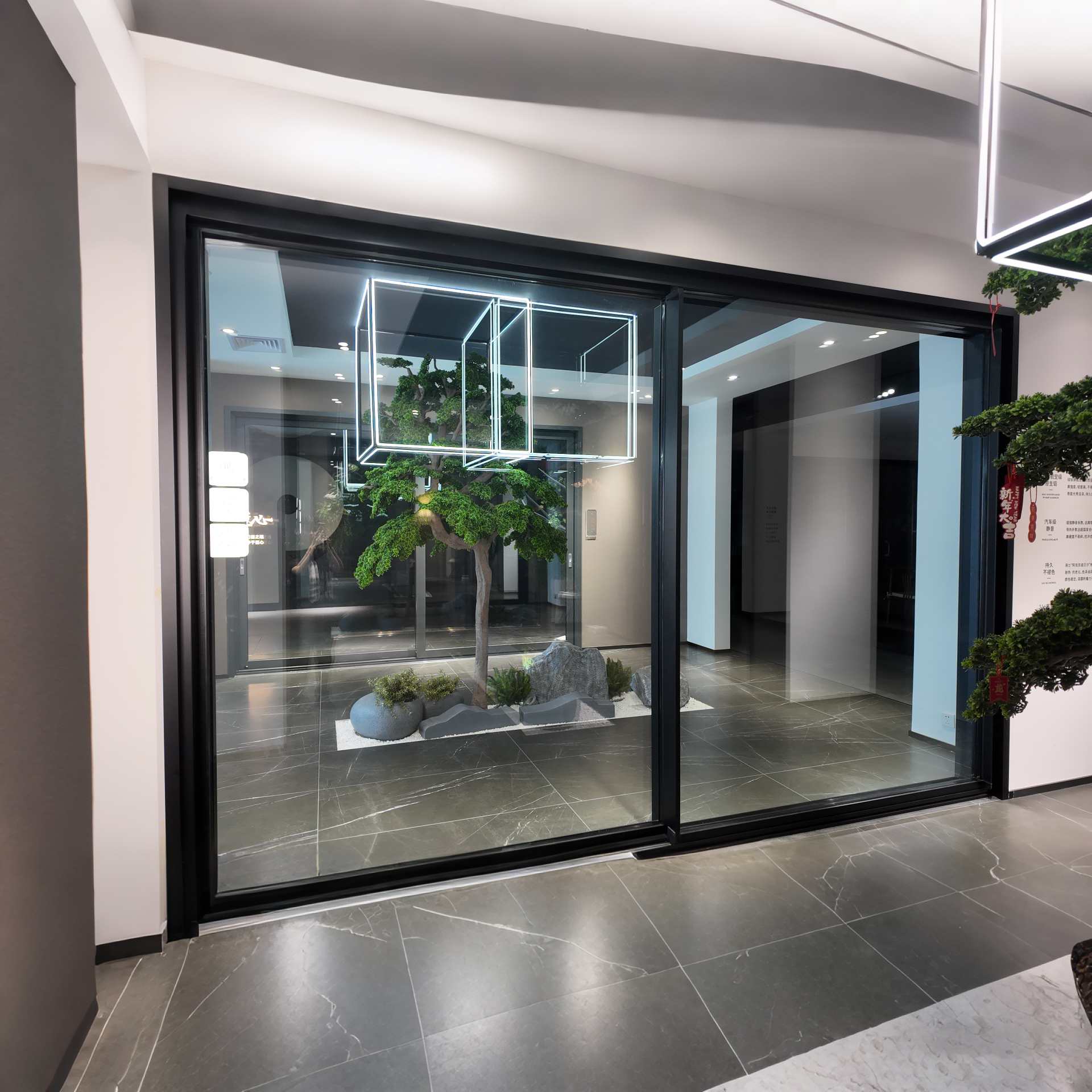
A sliding window has one or more sashes that glide horizontally along a track. Because the sash stays within the frame, it needs no clearance to open, making it ideal for balconies, walkways, and rooms with limited space. Their low-profile design and horizontal movement also make them a favorite for large glass facades and wide openings where a swinging sash would be heavy or impractical.
Sliding windows offer large glass areas, simple operation, and a clean, modern look. For projects where performance is a concern, an upgraded compression sliding window presses the sash firmly against the frame when closed, narrowing the performance gap with casement styles.
Head-to-Head Comparison
|
Factor |
Casement Window |
Sliding Window |
|
Sealing & airtightness |
Excellent — compression seal presses the sash tightly closed |
Good — depends on the gasket and track design |
|
Energy efficiency |
Higher — the tight seal reduces air leakage |
Good — lower than a well-sealed casement |
|
Sound insulation |
Stronger — fewer gaps for noise to pass through |
Moderate — more openings along the track |
|
Ventilation |
Full opening with direct airflow |
Partial opening — only one side of the width opens |
|
Space required |
Needs clearance for the sash to swing |
None — the sash slides within the frame |
|
Cleaning |
Easier — inward and tilt-and-turn styles clean from inside |
Harder — the outer pane is less accessible |
|
Cost |
Slightly higher |
Generally more budget-friendly |
|
Best for |
Airtight, high-performance, and noise-sensitive areas |
Wide openings, balconies, and tight spaces |
Looking at the table, the tradeoff is clear: casement windows win on sealing, energy efficiency, and sound insulation, while sliding windows win on space, ease of use, and cost. The decision usually comes down to the room and the climate rather than one style being universally better.
When to Choose a Casement Window
Choose a casement window when performance comes first.
In cold climates, the tight compression seal keeps warm air inside and reduces heating costs, especially when paired with triple glazing and a wide thermal break. In hot climates, the thermal break and Low-E glass keep heat out, lowering cooling loads. Because the interior section of the frame stays closer to room temperature, casement windows also help control condensation on the frame and glass, reducing the risk of dampness and mold. This is why thermal-break casement windows are a standard choice for energy-conscious villas, residential developments, and commercial buildings.
Casement windows also excel in noise-sensitive areas such as homes near busy roads, railways, or airports. The sealed perimeter leaves fewer gaps for sound to pass through, creating a quieter, more comfortable interior. In coastal regions, corrosion-resistant aluminum and a hidden drainage system protect against salt air, humidity, and wind-driven rain, all while keeping the facade clean and unobstructed.
You can tailor the opening style to your needs. Outward-opening casement windows maximize interior space, while inward-opening styles make cleaning easy from inside the building. For the best of both worlds, a tilt-and-turn configuration tilts inward at the top for secure ventilation or swings open fully for maximum airflow.
When to Choose a Sliding Window
Choose a sliding window when space is limited or when you want to open up a wide view. Because the sash slides within the frame, it never intrudes into the room or swings outside, making it a practical solution for balconies, patios, corridors, and rooms with furniture placed near the window.
Sliding windows are also a smart choice for large openings and wide glass areas, where a casement sash would be too heavy or awkward to operate. They are generally simpler to operate and more cost-effective, which makes them popular in large residential developments. Their light, low-friction movement also makes them easy to operate for children and older adults, and the fixed panels can be engineered to resist wind loads in high-rise applications. A manufacturer with large-scale production capacity can keep quality consistent across hundreds or thousands of units, which is exactly the kind of project where sliding windows shine.
What to Look For in Either Style
Whichever style you choose, the same fundamentals determine long-term performance. Look for a genuine thermal-break aluminum frame, double- or triple-glazed glass with Low-E coating and argon filling, EPDM compression seals, and premium multi-point hardware from trusted brands. For sliding windows specifically, the compression upgrade closes much of the performance gap with casement styles.
Customization also matters. The ability to adjust profile, glass, hardware, and finish to match a specific climate, market, or design requirement is what turns a standard window into a system solution. In hot climates, Low-E glass reflects infrared heat while letting visible light through. In cold climates, triple glazing and a wide thermal break help retain indoor warmth. A multi-chamber profile further slows heat movement through the frame, improving performance without adding bulk.
Finally, consider longevity. Aluminum frames resist warping, rot, and corrosion, and they require little maintenance over decades of use. They are also fully recyclable, which supports sustainable building goals without sacrificing strength or appearance.
A Certified, Custom-Built Solution for Global Markets
Both casement and sliding windows from PAIYA Windows & Doors — operated by Foshan Nanhai Paiya Door & Window Products Co., Ltd. — are built in the same 300,000-square-meter smart factory and backed by 36 years of manufacturing experience. Their certified products are designed to meet NFRC, CSA, and AS2047 standards, and can be customized for projects across North America, Australia, the Middle East, and Southeast Asia.
Conclusion: How to Decide
If airtightness, energy savings, sound insulation, and maximum ventilation are your priorities, a casement window is usually the better choice. If you need to save space, open up a wide view, or control cost, a sliding window is the practical option. Many projects use both: casement windows in bedrooms and living areas where comfort matters most, and sliding windows on balconies and corridors where space and views take priority.
Not sure which one fits your project? Contact PAIYA for technical drawings, glass specifications, and a customized quotation tailored to your climate and design requirements.